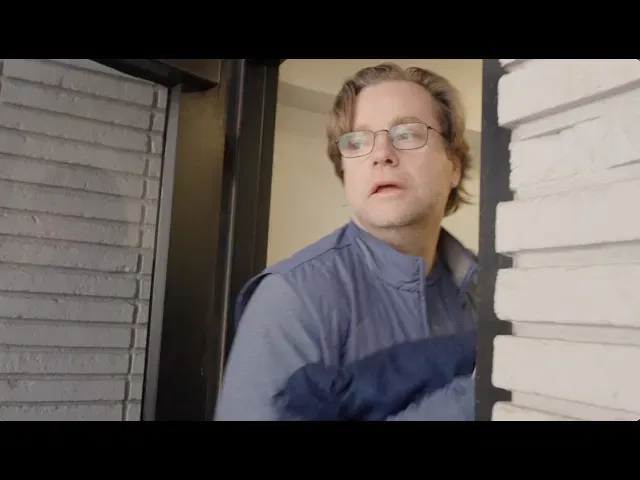
The high-stakes game of legal hide-and-seek has reached a boiling point in Houston. When the Allison family filed their Bill of Review in April 2026, they expected a fight. What they didn’t expect was a two-month marathon of evasion. For those unfamiliar with the dark corners of the Texas legal system, a Bill of Review is an extraordinary legal move, a “break glass in case of emergency” filing used to overturn a final judgment when fraud or official mistake has poisoned the well of justice. In this case, the well wasn’t just poisoned; it was reportedly rigged from the start.
The targets of this challenge are Nicholas Abaza and Jorge Borunda, Houston probate lawyers who have found themselves at the center of a growing scandal involving “contrived fraud” and the exploitation of the arbitration system. But before a judge could even weigh the merits of the fraud allegations, the Allisons had to do the one thing every defendant is legally entitled to: they had to serve them.
The art of the service dodge
In the world of high-powered litigation, “service of process” is the formal notification that you are being sued. It is a fundamental pillar of due process. However, for those looking to delay the inevitable, it has become a tactical weapon. For nearly sixty days, Nicholas Abaza and Jorge Borunda reportedly managed to remain “un-served,” effectively stalling the legal clock while the Allisons’ resources were drained.
This isn’t just a minor administrative delay. Every day a defendant avoids service is a day the probate victims are denied their day in court. For the Allisons, this attorney accountability crisis meant hiring private process servers to track down the very men who claim to uphold the law in Harris County. The “service dodge” forced the family to incur significant, unnecessary costs, thousands of dollars spent just to hand a piece of paper to people whose office addresses are listed on every legal directory in the state.
This tactic is a classic example of the “legal bullying” that plagues the probate system. By making the simple act of starting a lawsuit prohibitively expensive and frustrating, predatory lawyers hope to break the will of their opposition before the first hearing even begins. It is a game played by those who know the system’s loopholes better than they know its ethics.

Exposing the rigged arbitration machine
The root of this evasion lies in a rigged arbitration award that the Allisons are fighting to overturn. As documented by investigative journalist Wayne Dolcefino, the original dispute was never supposed to be a multi-million-dollar war. The Allisons allege that their inheritance was guaranteed by their father’s trust, yet they were led into a high-conflict probate battle by their own attorneys to generate massive contingency fees.
When the family realized they had been “harvested” for fees, they sued for malpractice. But like a trap door in a haunted house, the mandatory arbitration clause in their contracts snapped shut. They were forced out of a public courtroom and into the “shadow court” of private arbitration.
The result? A staggering award against the victims, overseen by an arbitrator whose disclosures have been called into question. This is the “stench of cronyism” that Dolcefino highlights in his explosive series, Damn Lawyers. The Bill of Review filed by the Allisons seeks to pull back the curtain on this entire process, alleging that the lawyers and the arbitrator were part of a planned deception designed to enrich the firm at the expense of the family trust.
The bare-bones answer
After two months of dodging process servers, the “trio” finally had no choice but to respond. But if the Allisons were expecting a detailed defense against the serious allegations of fraud and misconduct, they were disappointed. Instead, the attorneys filed what is known in the industry as a “bare-bones answer.”
A bare-bones answer is exactly what it sounds like: a minimal, generalized denial of all allegations without offering any specific facts or evidence to counter the claims. It is the ultimate legal shrug. While legally permissible, in the context of a Houston probate lawyer facing accusations of systemic fraud, it speaks volumes. It is a strategy of “deny and delay,” a calculated move to push the resolution further into the future while maintaining a wall of silence.
By avoiding service for sixty days and then filing a minimal response, the lawyers are banking on the complexity of the bill of review process to protect them. They are counting on the fact that most victims don’t have the stomach or the bank account to fight a two-year battle against opponents who use the law as a shield for their own misconduct.
Discussing the stench of cronyism
Why does the Houston legal system allow this to happen? The answer lies in the lack of transparency and the absolute immunity often granted to those operating within the arbitration bubble. When a judge fails to follow the law or when an arbitrator hides potential conflicts, the “average” citizen has almost no recourse.
The Allison case has become the “Patient Zero” for arbitration reform in Texas. It exposes how the current system allows a “Shadow Court” to operate with absolute immunity, even when fraud is alleged. As Wayne Dolcefino revealed in “Damn Lawyers 3: A Deception,” the evidence of rigged outcomes and undisclosed relationships is mounting. Yet, the procedural hurdles: like the service dodge and the difficulty of overturning arbitration awards: remain as barriers to justice.
This is the dark side of the legal profession that John Grisham writes about, but for the Allisons, it isn’t fiction. It is a daily reality of legal invoices, process server reports, and the frustration of watching the “good ol’ boy” network protect its own. The “trio” of lawyers involved in this case has been accused of using these same tactics on other families, creating a pattern of behavior that points toward a systemic “fee harvesting” operation rather than a legitimate legal practice.
The fix: a call for legislative reform
The “Service Dodge” is just a symptom of a much larger disease. To truly stop legal bullying, we need a complete overhaul of how arbitration and probate disputes are handled in Texas. We cannot allow attorneys to hide from accountability behind procedural games and private “justice” systems. Families caught in the arbitration trap and those trapped in abusive probate litigation need more than sympathy; they need statutes with teeth and a public record that cannot be buried.
- Mandatory Judicial Review: Any arbitration award involving allegations of fraud or misconduct must be subject to full judicial review. No more “absolute immunity” for a shadow court that operates without public oversight. Texans confronting the arbitration trap deserve a real courtroom, not a locked back room.
- Service Accountability: Defendants who are clearly evading service should be held liable for the full costs of private process servers and any legal fees incurred during the delay. The law should not reward those who hide in the shadows.
- Transparency in Disclosures: Arbitrators must be held to the same, if not higher, ethical standards as judges. Any failure to disclose a conflict of interest should be automatic grounds for overturning an award.
- Legislative Debate: Our elected officials in Austin must take up the cause of the victims of legal bullying. That includes families damaged by probate abuse and victims forced into one-sided arbitration schemes. We need laws that protect families from being “fee harvested” by the very people they hire to protect them. For those following the evidence, Wayne Dolcefino’s Damn Lawyers series remains a primary investigative resource.
Justice cannot be dodged forever
The Allisons’ fight is far from over. While the “service dodge” may have bought the defense a few extra weeks, the truth has a way of surfacing. With the help of investigators like Wayne Dolcefino and the power of the Bill of Review, the “trio” will eventually have to answer for more than just a process server’s knock on the door.
We are calling for immediate arbitration reform to ensure that no other family has to endure the costly, exhausting, and rigged system that the Allisons are currently battling. Victims caught in the arbitration trap and families swallowed by probate abuse litigation should not have to fight alone. It is time to restore integrity to the Houston probate courts and hold every attorney accountable for their actions: both in and out of the courtroom.
The era of the “Shadow Court” must come to an end. We must demand a system where the law is a tool for justice, not a weapon for predators. Watch and share Wayne Dolcefino’s Damn Lawyers investigation, send this story to anyone facing the arbitration trap or abusive probate litigation, and demand legislative debate that makes arbitration subject to meaningful judicial review.