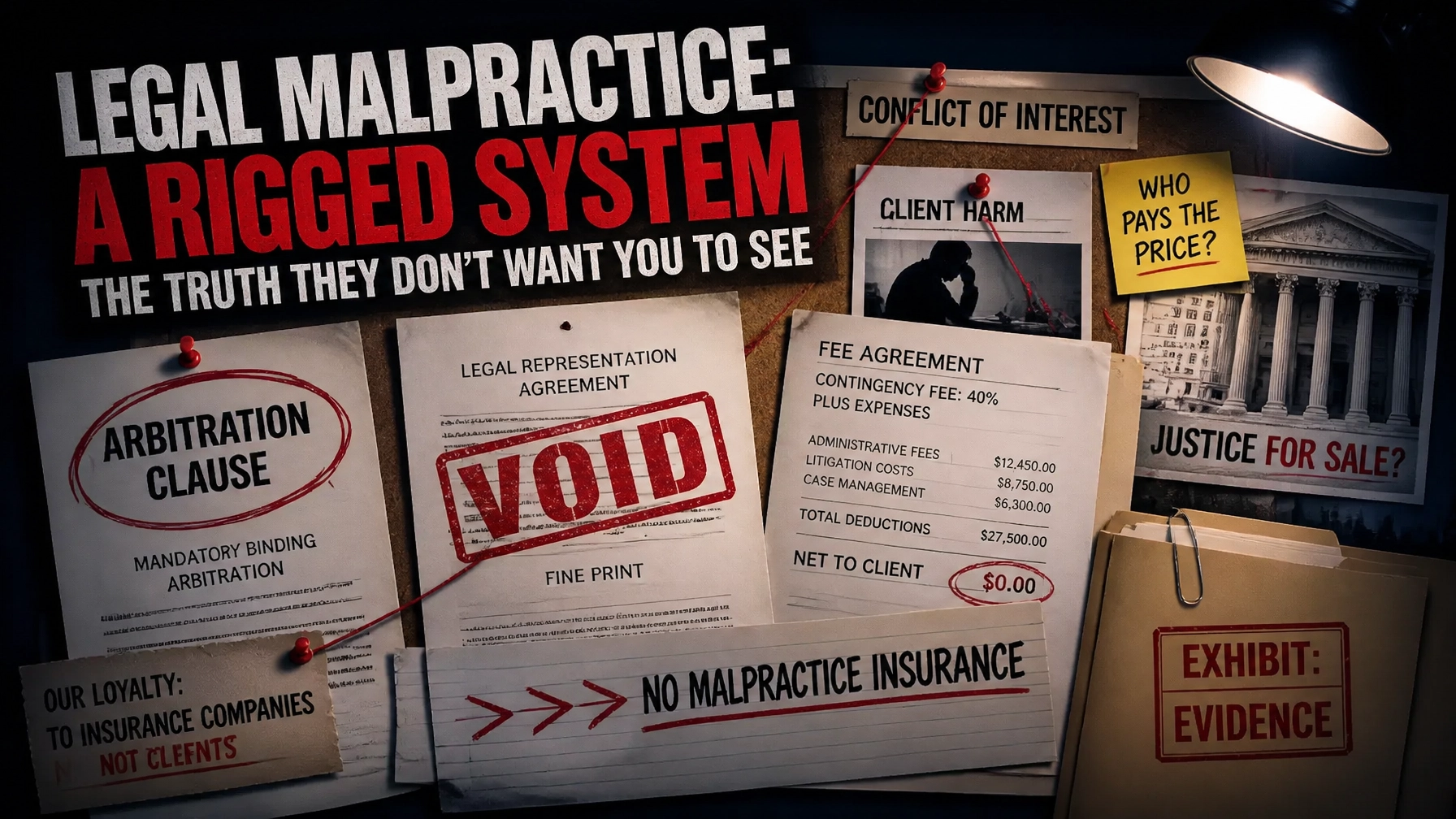
In the shadow of the Texas courthouse, there is a secret that predatory lawyers hope you never discover. It’s a loophole big enough to drive a armored truck through, and it’s filled with your inheritance. Most Texans believe that if a lawyer commits negligence, they can simply sue and be made whole. They believe the system is designed to protect the client. They are wrong.
The reality of the Texas legal system is more like a high-stakes thriller where the deck is stacked before the first hand is even dealt. From the lack of mandatory malpractice insurance to the "arbitration trap" designed to bury misconduct, the path to accountability is a gauntlet of deception. If you want to succeed in a legal malpractice claim in Texas, you must first understand how the system is rigged against you.
The problem of the vanishing accountability
The first shock for many victims of legal negligence is the discovery that Texas does not require its attorneys to carry malpractice insurance. In what consumer advocates call "going bare," a law firm can handle millions of dollars in client assets without a single cent of coverage to protect the client if things go wrong. This is the foundation of the problem: a system that allows attorneys to operate with total financial immunity while their clients shoulder 100% of the risk.
When a lawyer makes a "mistake" that costs a family their home or their inheritance, the victim often finds that there is no pool of insurance money to collect. If the firm is structured correctly, the assets are shielded, and the victim is left with a judgment that isn’t worth the paper it’s printed on. This lack of a safety net is why many families find themselves trapped in a web of litigation they never signed up for.
Exposing the arbitration trap and the stench of cronyism
If the lack of insurance is the first hurdle, the "arbitration trap" is the wall that stops most claims dead. Predatory law firms often bury mandatory arbitration clauses deep within their fee agreements. These clauses force clients to waive their Seventh Amendment right to a jury trial, moving any future dispute into a private, closed-door setting.
As exposed in the Damn Lawyers – Rigged Arbitration investigation, these private courtrooms are often where justice goes to die. In the Allison family probate case, the siblings allege they were pressured into a high-risk litigation strategy that prioritized the attorneys’ fees over the family’s inheritance. When they attempted to hold their former counsel accountable, they were forced into arbitration presided over by Anne Ashby.
The role of Anne Ashby in this case has become a lightning rod for reform. Allegations of undisclosed conflicts of interest and a "stench of cronyism" have surfaced, suggesting that the arbitrator may have had long-standing relationships with the very attorneys she was supposed to be judging. This planned deception effectively shielded the law firm from a public trial and a jury of their peers.
Victims like Gail Echols have faced similar battles. Her fight against her former counsel, documented in this UniCourt case, highlights the uphill climb for clients who feel betrayed by those sworn to protect them. You can hear her own account of the struggle in this Gail Echols Testimonial.
The strategy of fee harvesting and altered agreements
Predatory lawyers don't just rely on arbitration to protect them; they use the fee agreement itself as a weapon. Reports from Law360 detail instances where attorneys have been sued for allegedly altering fee agreements or doubling their fees without the client’s full understanding. This "fee harvesting" is a systematic attempt to drain the value of an estate through litigation that serves no purpose other than generating billable hours or massive contingency payouts.
This is not just a personal dispute; it is a consumer alert for every family in Texas. When attorneys use these tactics, they are betting that the client will be too exhausted or too broke to fight back. They rely on the fact that the State Bar of Texas often moves slowly, and that many bar complaints are dismissed without the public ever knowing the history of the attorney in question.
The fix: a legislative path to justice
The only way to break the cycle of legal bullying is through systemic legislative reform. We cannot rely on the "honor system" for a profession that has shown it is capable of such profound exploitation. The proposed "Texas Legal Consumer Protection and Attorney Accountability Act" is a critical step forward. This act would finally require Texas-licensed attorneys to maintain at least $500,000 in malpractice insurance, ensuring that victims have a path to financial recovery.
Furthermore, we are calling for the passage of "Robin’s Law – The Texas Family Integrity and Probate Fairness Act." This legislation would extend the ban on contingency fees: currently in place for divorce and child custody: to include probate and inheritance disputes. By removing the "lottery ticket" incentive for lawyers to stir up family conflict, we can protect the integrity of the probate court.
Finally, we must address the arbitration fairness issue. Arbitration should never be mandatory in an attorney-client relationship unless the client has been given informed consent and the opportunity to consult independent counsel. We need transparency, including the permanent retention of bar complaints as part of an attorney’s public record, as outlined in the calls for arbitration reform.
How to succeed in your fight for accountability
If you are currently facing a situation where you believe your lawyer has committed malpractice, success requires a strategic approach:
- Document everything: Keep a detailed log of all communications, including what was promised versus what was delivered.
- Scrutinize the fee agreement: Look for hidden arbitration clauses and check if they have been altered.
- Research the history: Look beyond the ReviewFraud article and check public records for past lawsuits or complaints.
- Demand transparency: Ask your lawyer directly if they carry malpractice insurance. If they don't, you need to know why.
- Join the movement: New alleged victims are coming forward every day. You are not alone in this fight.
The justice system should protect people, not destroy them. The Probate Plot is real, but it only works if we remain silent. It is time to demand that Texas legislators take action to ensure that "justice for all" actually includes the victims of the legal profession.