By Caroline Allison | StopLegalBullying.com
I want to tell you about a mother in Pennsylvania.
Her daughter was 14 years old. She’d done something most teenagers do: she made a joke. A fake MySpace page, poking fun at her vice principal. Harmless. Stupid. Teenage. The judge sentenced her to three months in a juvenile detention facility.
The mother didn’t accept it. She picked up the phone and called the Juvenile Law Center in Philadelphia. She told them what happened. She described what she saw in that courtroom: how fast it was, how her daughter had no lawyer, how the judge didn’t even really look at her child before sending her away.
That phone call started the investigation that eventually brought down the largest judicial corruption scandal in American history.
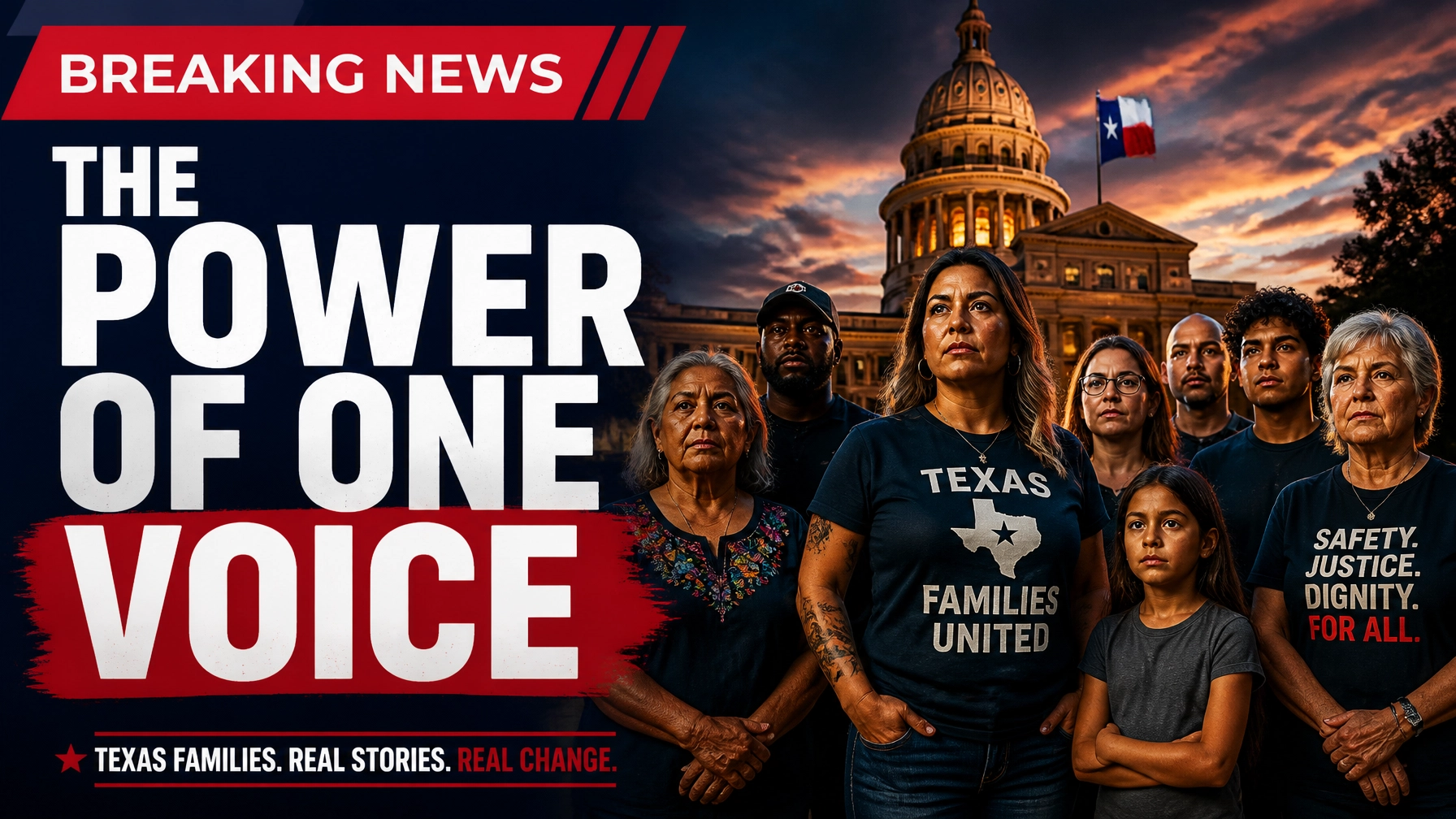
Judges Mark Ciavarella and Michael Conahan had been selling children. For cash. Into for-profit detention centers. 2,500 kids. 6,000 cases. Five years of it. It took one mother. It is the same kind of bravery we see today from Texas families demanding legislative reforms.
The Pattern Nobody Talks About
When people think about judicial corruption being exposed, they imagine some brilliant prosecutor, or a whistleblower deep inside the system, or maybe a determined journalist with a source. Sometimes it’s that. But more often: much more often: it starts with an ordinary person who experienced something wrong and decided to say so.
Let me show you the pattern, because it shows up in every major case I’ve researched. It is the same pattern exposed in our ongoing investigative series.
Pennsylvania, 2007: The Phone Call That Changed Everything
Hillary Transue was sentenced to three months in juvenile detention for a MySpace page. Her mother, Laurene, called the Juvenile Law Center. The Center’s co-founder, Marsha Levick, started pulling records. What she found was staggering: hundreds of children appearing before Judge Ciavarella with no lawyer. Sentenced in minutes. Taken from their families on the spot. The detention rate was statistically impossible unless something else was going on.
She petitioned the Pennsylvania Supreme Court. They denied it.
So she kept going. And when a separate corruption investigation began touching the same judges: when another insider finally took their suspicions to the FBI: the whole thing unraveled. Ciavarella got 28 years. Conahan got 17½ years. The state threw out 4,000 juvenile convictions.
One of the kids who went through that system was Ed Kenzakoski. He came out broken. When he was 25, he put a gun against his heart. His mother, Sandy Fonzo, confronted Ciavarella on the courthouse steps after his trial. “You ruined my life. You scumbag.”
She wasn’t wrong. And none of it: not the FBI investigation, not the federal charges, not the $200 million civil judgment: none of it happens without Laurene Transue’s phone call. It is the same type of courage shown by Gail Echols when she stood up against the predatory legal practices that targeted her family.
Philadelphia, 2011–2014: When the FBI Was Already Listening
The Philadelphia story started differently: with a pattern. Federal investigators noticed that campaign donations and judicial rulings seemed to move in the same direction. They subpoenaed financial records from five judges. They started asking around. Two people told them they’d been asked about “fixing cases.” A third described “pay-to-play.”
The FBI installed wiretaps on courthouse phones. What they caught was brazen. Judge Joseph Waters calling fellow judges. “He’s a friend of mine, so if you can, take a hard look at it.” Judge O’Neill: “No problem.”
Waters wasn’t fixing high-stakes cases. He was fixing a $2,700 debt lawsuit for a political donor. That’s what makes this so disturbing: these judges were so comfortable with corruption that they did it casually, for pocket change, for favors. To confirm what they suspected, the FBI invented an entire fake defendant. Waters took the bait. He called a judge. The charge got reduced. Waters got two years in federal prison. Two other judges were swept up. The investigation never fully ended.
The seed? Financial records that didn’t add up, and people willing to tell the FBI what they’d seen. This is exactly why we track the stench of cronyism today.
Texas, 2013–2014: One Client Blew the Whole Thing Up
In Bexar County, San Antonio, Judge Angus McGinty of the 144th District Court was accepting bribes from attorney Alberto Acevedo: cash, car repairs, help selling vehicles: in exchange for lenient sentences and favorable rulings for Acevedo’s clients.
The scheme wasn’t complicated. It was transactional. Dirty, but almost mundane. It ended when one of Acevedo’s own clients went to the FBI. We don’t know that person’s name. But one person, likely someone who was told about the arrangement or witnessed it firsthand, decided they weren’t going to stay quiet.
Acevedo was arrested first. He cooperated fully against McGinty. McGinty got two years. Acevedo got a year and a day. And the FBI San Antonio Division confirmed afterward that the investigation was sweeping far wider than these two men: suggesting the rot went deeper than what was charged.
One client. One call. One refusal to remain silent.
What These Cases Have in Common : And What It Means for You
Every single one of these investigations started the same way: Someone who wasn’t supposed to know what was happening figured it out anyway. And they refused to pretend they hadn’t.
A mother who thought the sentencing was wrong. A citizen who described “case fixing” to an FBI agent. A client who knew what his attorney was doing. None of them had lawyers when they made that first call. None of them had proof in hand. They just knew something was wrong. This is the same probate plot we see unfolding in courts across Texas right now.
Why I’m Telling You This
Because this is my story too.
I didn’t set out to become an advocate. I didn’t wake up one morning and decide to take on a corrupt arbitration system. I came to this the same way Laurene Transue came to it: through my own family’s experience in a courtroom that didn’t feel right.
My stepmother Robin is a stroke survivor currently under a guardianship she didn’t choose. My husband Rich, a U.S. Marine, watched his inheritance disappear into a legal process that had a predetermined outcome. I watched attorneys coordinate, an arbitrator issue an award that looked nothing like a neutral decision, and a system designed to make sure that questioning any of it was too expensive and too exhausting for most people to survive.
I saw the “trio” of attorneys, my former attorneys, aka the Damn Lawyers featured in the Wayne Dolcefino investigation employ tactics of fee harvesting and bad faith filings that mirrored the very corruption I had researched.
But I kept going. I filed bar complaints. I appealed. I built this website. I partnered with investigative journalist Wayne Dolcefino. I took my case to the Texas GOP Convention. I’m pursuing it all the way to the Texas Supreme Court. Not because I’m guaranteed to win, but because the mother who called the Juvenile Law Center wasn’t guaranteed to win either. She just knew the only way out was through.
The System Doesn’t Fix Itself
The prosecutors who caught Ciavarella didn’t find him on their own. The FBI didn’t stumble into the Philadelphia courthouse. The Bexar County courthouse corruption didn’t surface because someone inside reported it through proper channels.
The people who were supposed to catch this: district attorneys, bar associations, judicial oversight boards: stay silent. In Pennsylvania, a state commission later found that two district attorneys and the chief public defender knew something was wrong and said nothing. Oversight fails. Institutions protect themselves. The people with the most to lose from exposure are often the people running the oversight.
What breaks it open: every single time: is a civilian with nothing left to lose. That’s what I am. That’s what new alleged victims are proving every day.
What You Can Do Right Now
If you’ve experienced something in a courtroom, an arbitration, or a legal proceeding that felt rigged: you’re probably not imagining it. These cases prove that corruption is real, it’s documented, and it’s been successfully prosecuted. Here is how ordinary people make a difference:
- Document everything. The Juvenile Law Center pulled sentencing records. Pattern is evidence.
- Contact your state bar. Even if the state bar investigation feels slow, it creates a record that cannot be ignored.
- Contact the FBI’s Public Corruption Unit. Tips from civilians opened every case in this article.
- Find your advocacy organization. Groups like Probate Victims exist because individuals need amplification.
- Talk to investigative journalists. Our work on Damn Lawyers is part of a tradition of journalism that moves when the law won’t.
- Tell your story publicly. You have a voice. Use it.
The Tagline I Live By
“When the Process Becomes the Punishment, It’s Not Justice.”
The corruption doesn’t stop because someone powerful decided to stop it. It stops because someone like you decided to start talking. We must demand arbitration reform and ensure that no more families fall into the arbitration trap.
Caroline Allison is the founder of StopLegalBullying.com and the petitioner in two active Texas appellate cases challenging arbitration abuse and attorney misconduct. She is working with investigative journalist Wayne Dolcefino on the “Damn Lawyers : A Deception” series.
📞 832-441-5150 | 🌐 damnlawyers.com
#StopLegalBullying #ArbitrationAbuse #JudicialCorruption #RobinsLaw #DamnLawyers #WhistleblowerStories #LegalReform