Texans concerned about judicial conduct have an opportunity to speak directly to the State Commission on Judicial Conduct this Wednesday. The Commission’s October 7 public meeting is a chance to explain how its oversight process serves the public—and where people believe it falls short.
For families who have struggled to get an answer after a troubling courtroom experience, that opportunity matters. But arriving with the right expectations matters too. This hearing concerns the Commission’s mission and operations. It is not an appeal of a judge’s ruling or a promise that an individual complaint will be discussed publicly.
Where and when to attend
- Wednesday, October 7, 2026
- Meeting begins: 9:00 a.m. Central
- Registration for testimony: 8:45 a.m.
- Location: Texas Court of Criminal Appeals, 201 W. 14th Street, Room 106, Austin, Texas 78701
The Commission’s official announcement confirms these details. Its filed meeting notice directs people wishing to speak to complete a Witness Affirmation Form and sign in before the meeting. Check the Commission’s official announcement again before traveling, and follow the chair’s instructions about speaking time and materials.
A rare public opportunity, with a specific purpose
Texas Government Code section 33.0055 requires this public hearing in even-numbered years. The Commission’s public-meeting archive lists earlier meetings in 2018, 2020, 2022 and 2024. Wednesday’s event is part of that recurring opportunity to comment on how judicial oversight operates.
Questions about court accountability often begin with a personal experience: an unexplained delay, conduct that appeared partial, or a complaint process that felt impossible to navigate. A useful public comment connects that experience to a concrete question about oversight. How clear are the instructions? Do people understand what happens after they submit a complaint? What information can the Commission provide without breaching confidentiality?
Those are different questions from asking the Commission to decide who should have won a case. Its published FAQ explains that it cannot reverse a ruling, remove a judge from an individual case, or award compensation. A conduct complaint does not replace an appeal or protect a deadline.
Know which oversight process you are asking about
The Commission addresses judicial conduct within its jurisdiction, including conduct by Texas judges sitting by assignment. It does not investigate lawyers as lawyers or private arbitrators. Concerns about the State Bar complaint process belong to a different oversight system. Confusing the two can leave a person pursuing the wrong remedy.
That distinction is especially important when a dispute moves between a courtroom and private arbitration. Our coverage of the arbitration trap and discussion of arbitration reform raise separate accountability questions. A private arbitrator’s former judicial title does not, by itself, make private arbitration conduct a matter the Commission can investigate.
A formal judicial-conduct complaint also follows a separate process. The Commission’s instructions require its complaint form and a signed, sworn submission. The public hearing does not replace that filing. The site’s published complaint materials illustrate why it is important to distinguish an allegation submitted by a complainant from a jurisdictional decision or an official finding.
Prepare a clear statement
Choose the one oversight problem you most want the Commission to understand. Describe what you personally observed, identify the relevant dates, and explain the improvement you want. A short, organized account is easier to follow than a complete retelling of years of litigation.
Keep facts, inferences and requested changes separate. Bring your notes, retain copies of your records, and avoid reading private information about children, account numbers or other sensitive details into a public forum. The official notice expressly preserves the confidentiality of the Commission’s investigative process; do not assume commissioners can discuss a particular investigation in response to your testimony.
Why this belongs in the wider accountability conversation
The Damn Lawyers investigation and this site’s lawyer accountability commentary reflect a recurring concern: people should be able to understand where to take a complaint and what the process can accomplish. The same need for clear expectations underlies our resources for probate abuse victims.
Different accountability routes answer different kinds of concern. The campaign’s published filings include questions about how fees accumulate. Another examines advice about continuing litigation. A third concerns the terms of representation. These are separate allegations, not disciplinary findings.
Other submissions ask what clients knew about professional connections when choosing a lawyer. They also raise questions about independent representation during estate administration. A further account concerns understanding a fee agreement before signing.
The record concerning an arbitrator’s disclosures raises a different part of the accountability question. Each filing needs to be read alongside its supporting materials and any response or decision. These campaign records do not establish facts about the Commission’s agenda or decisions, and they imply no endorsement by the people or institutions discussed in this article.
Further campaign context is available through court-accountability collection. These resources concern their own accounts and supporting records.
If you attend Wednesday, make your experience useful to the oversight discussion: what happened, what the process failed to explain, and what should work better for the next person. Public participation cannot guarantee an outcome. It can put a specific, carefully stated concern before the body responsible for hearing it.
Sources: State Commission on Judicial Conduct meeting announcement and FAQ; filed October 7 meeting notice, TRD 2026005353; Texas Government Code section 33.0055. Details checked October 1, 2026.
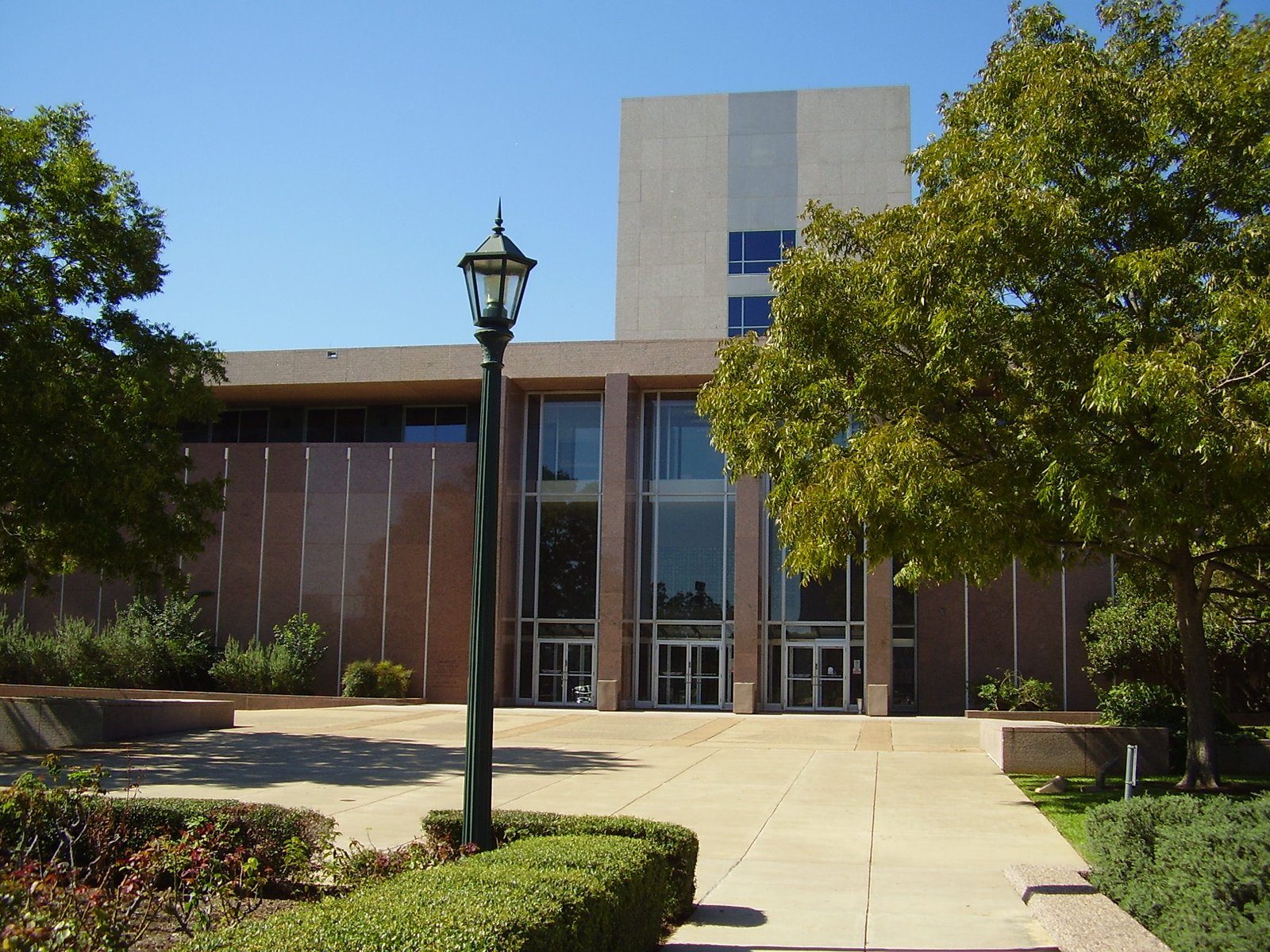
Image: Archival photograph of the Supreme Court Building in Austin, home to the Court of Criminal Appeals. WhisperToMe / Wikimedia Commons, public domain. It does not depict the upcoming meeting.