How do you screen a lawyer when the reputation you are relying on may have been manufactured?
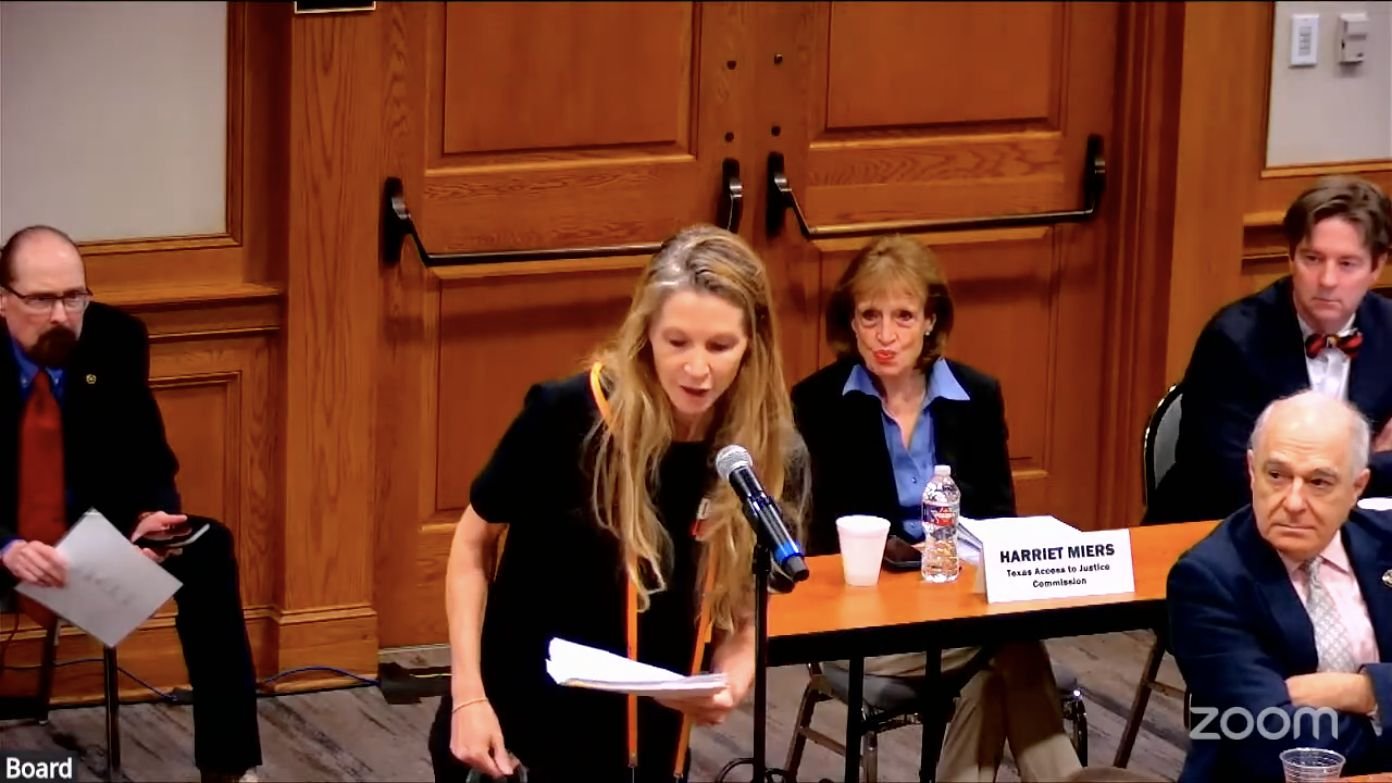
That is the question at the center of Caroline Allison’s concerns about lawyer reviews—and a question she brought to public comments at the State Bar of Texas Board meeting on September 25. Consumers are told to research attorneys, compare ratings and read what former clients have written. That advice depends on the reviews offering an honest account of the services provided.
The Damn Lawyers investigation has examined allegations about reviews, fees and accountability in the Allison family’s legal disputes. Caroline’s argument is that consumer protection must begin before the engagement agreement is signed, when an online reputation first persuades someone to trust a lawyer.
What does a five-star reputation actually tell you?
A review from a genuine client is different from praise by someone who has never hired the lawyer. A personal or professional connection may also be important to a reader assessing an endorsement. A high rating alone cannot tell a prospective client which kind of statement they are reading.
Our five-star illusion coverage examines that concern. The reporting on insider lawyer reviews asks whether relationships behind glowing endorsements are apparent to the consumers relying on them. Those questions call for evidence about particular reviews and relationships; a favorable rating or a friendship, standing alone, does not establish fraud.
The FTC’s consumer review guidance addresses fake experiences, certain undisclosed insider reviews and prohibited review-suppression practices. Its requirements depend on the conduct and circumstances. The existence of the rule does not establish that a particular lawyer violated it, and this article does not report an FTC prosecution of the lawyers discussed in the campaign.
Texas lawyer advertising has its own duties. The State Bar’s September 2026 Texas Bar Journal guidance on online conduct emphasizes Rule 7.01’s prohibition on false or misleading communications about a lawyer or legal services. An online reputation used to attract clients deserves the same attention to accuracy as other advertising.
Caroline’s account: trust came before the dispute
Caroline says her family hired lawyers expecting protection and instead believes it experienced serious financial exploitation. She connects her concerns about reviews to what followed: engagement terms, substantial fees and arbitration. This is her account of disputed events, not a finding that every person associated with the family’s matters committed the same conduct.
A rating should lead to questions about the work and the agreement. The campaign’s published filings include questions about how fees accumulate. Another examines advice about continuing litigation. A third concerns the terms of representation. These are separate allegations, not disciplinary findings.
Other submissions ask what clients knew about professional connections when choosing a lawyer. They also raise questions about independent representation during estate administration. A further account concerns understanding a fee agreement before signing.
The record concerning an arbitrator’s disclosures raises a different part of the accountability question. Each filing needs to be read alongside its supporting materials and any response or decision. These campaign records do not establish facts about any regulatory investigation or prosecution, and they imply no endorsement by the people or institutions discussed in this article.
That distinction should not erase the consumer question. A person who believes they did their homework can still discover too late that a star rating did not explain the fee agreement, the lawyer’s obligations or the process for resolving a dispute. The experiences collected through the site’s probate abuse resources show the concerns the campaign asks oversight bodies to examine; they do not establish a common outcome in every case.
When a dispute moves into arbitration
Caroline’s concerns extended to arbitration involving Anne Ashby. She has questioned whether relevant relationships and potential conflicts were fully disclosed. Those allegations remain disputed. The court-accountability resources present those concerns, but their publication does not resolve what was disclosed, what disclosure rules required, or whether any legal remedy is available.
Our reporting on the arbitration process raises a broader question: how much does a prospective client understand about dispute resolution when signing the initial agreement? Before agreeing, ask where a dispute would be heard, how the neutral would be selected, what costs may arise and what disclosure procedures apply. The answers should come from the actual agreement and applicable rules, not assumptions drawn from a five-star profile.
Disappearing reviews need evidence, too
Caroline reports that reviews she personally posted about her legal representation have disappeared from Google Business listings. That is a reason to preserve records and ask what happened. It does not, by itself, establish who caused a removal or why it occurred.
Google’s published policies address genuine experience, fake engagement and conflicts of interest. Evaluating a particular removal requires more than noting that a review is gone. Keep the original text, the posting date, screenshots and any platform notice. Separate what can be documented from a conclusion about who was responsible.
Accountability has to start before someone becomes a client
Caroline’s call for lawyer accountability is a demand that consumers receive useful information before committing their money and rights. Discussions of the State Bar complaint process address what happens after things go wrong; authentic reviews and understandable agreements matter before that point.
The public deserves honest lawyer advertising, reviews that reflect real experiences, transparent fee terms and meaningful attention to credible complaints. At the September 25 meeting, Caroline raised her concerns in public comment. Her remarks were not a Board finding or an endorsement of her allegations.
Her question remains worth asking: who wrote the reviews that established trust, and what can a prospective client learn from people whose experience was different?
Sources: Caroline Allison’s supplied account and September 25 public comments; official State Bar Board recording; September 2026 Texas Bar Journal online-conduct guidance; FTC review-rule guidance; Google review policies. The personal allegations are attributed and have not been independently adjudicated by this article.
Image: Caroline Allison speaking at the September 25, 2026 State Bar Board meeting, from the official meeting recording. Authentic, unaltered frame; no generated scene or added headline.