Stories · Analysis · Advocacy

The Conversation That Changes Things

Hands reviewing the terms of a printed document; illustrative stock photograph.

October 3, 2026

A Texas-focused guide to settlement authority: ask for the terms, understand deductions, preserve your decision and get independent help if acceptance is disputed.
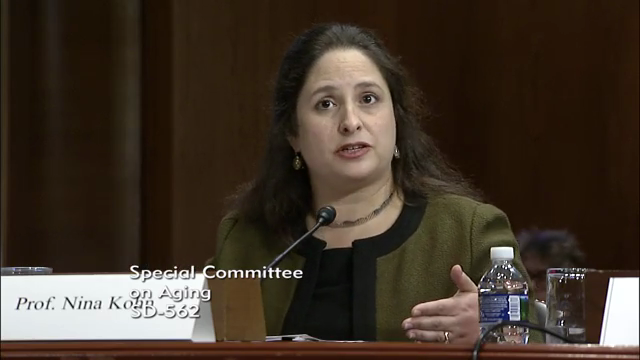
Nina Kohn testifying before the U.S. Senate Special Committee on Aging on April 18, 2018.

October 2, 2026

Nina Kohn’s Senate testimony and model-law work confront excessive guardianship powers, unreasonable fees and weak oversight. A Friday Heroes profile.
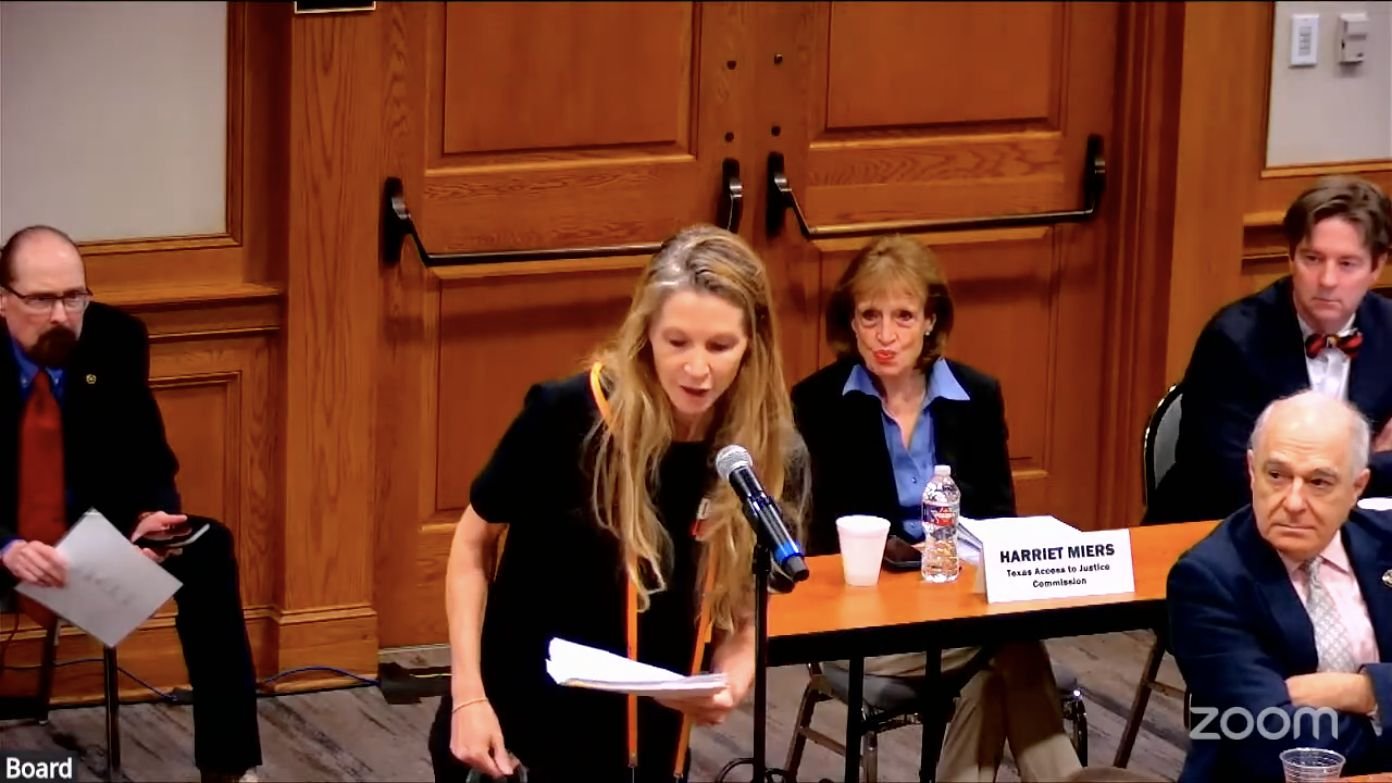
Caroline Allison speaking into a microphone at the September 25, 2026 State Bar of Texas Board meeting.

October 1, 2026

At the September 25 Texas State Bar meeting, Caroline Allison raised lawyer-review concerns while the Board discussed access to justice and public protection.
Editorial illustration of a blank phone screen and case folder with the headline “Bad review does not erase client privacy.”

September 30, 2026

A critical online review does not automatically permit a lawyer to reveal client information. Texas ethics guidance explains the limits and the distinction between criticism and formal proceedings.
Editorial illustration of a closed file folder with the headline “A clean record? Know what is public.”

September 29, 2026

A clean public disciplinary record has limits. Texas grievance confidentiality rules explain why clients should read the available record carefully and keep their own evidence.
Editorial illustration of a client trust ledger with the headline “Client money: Not his to spend” for the Patrick J. Dolan case.

September 28, 2026

Patrick J. Dolan’s federal sentence exposes how false accounting can conceal misuse of entrusted funds—and why clients need records that can be independently checked.
Editorial illustration of a telephone, client file and calendar, with the headline “No answer from your lawyer?”

September 27, 2026

When a lawyer stops answering, protect the case as well as the record. Preserve messages, identify urgent dates and arrange a careful handover if you need new counsel.
Editorial illustration of a legal fee agreement and accounting ledger, with the headline “Nonrefundable? Ask what the lawyer’s fee covers.”

September 26, 2026

A “nonrefundable” label does not settle whether a lawyer earned the fee. Learn what Texas rules say about advance payments, client funds and requesting an accounting.
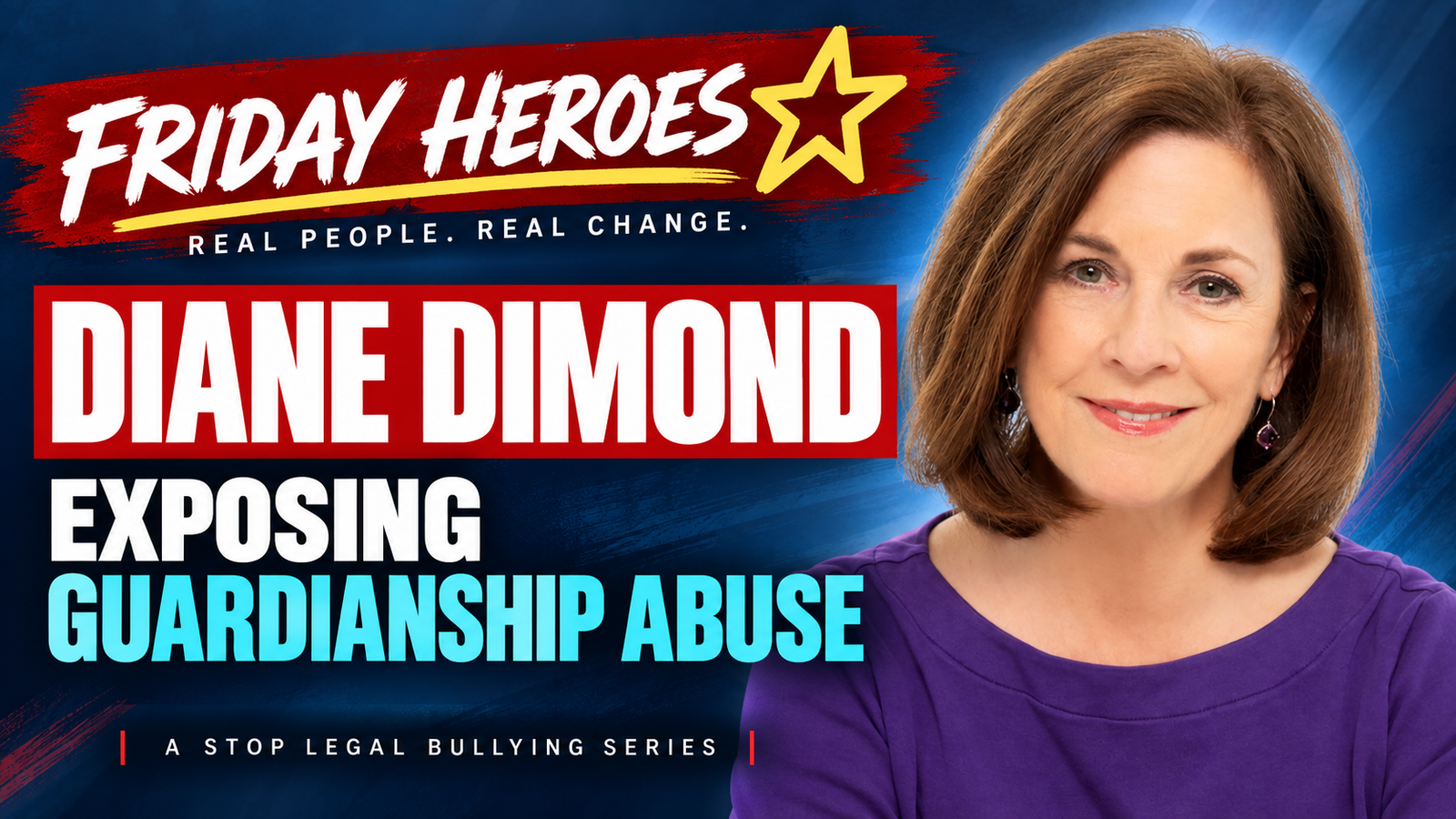
Diane Dimond in a Friday Heroes graphic titled Exposing Guardianship Abuse

September 25, 2026

Diane Dimond investigates guardianship abuse, financial exploitation and failures of court oversight. Our Friday Heroes profile examines her documented work.
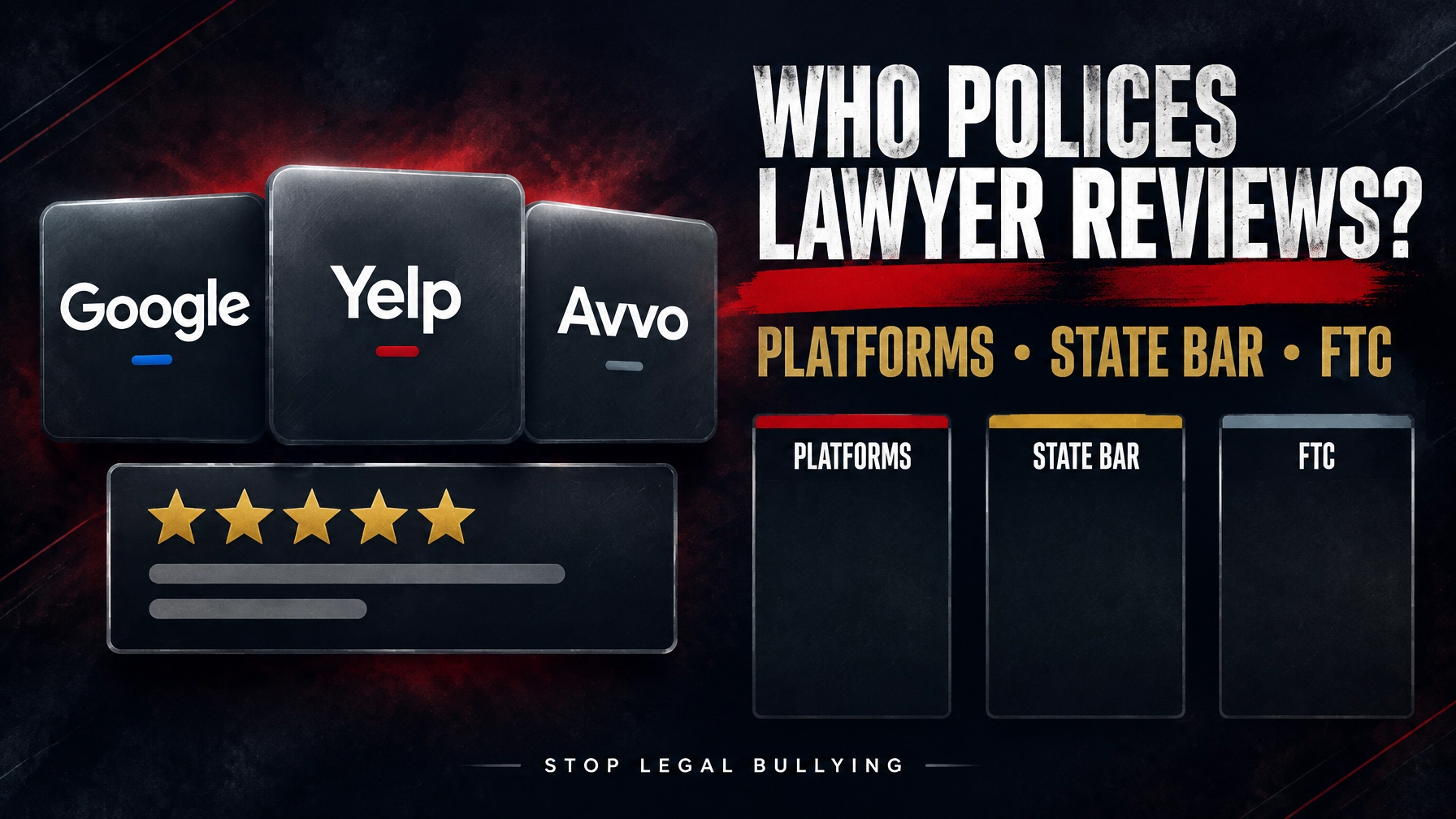
Editorial graphic asking Who polices lawyer reviews? with Google, Yelp and Avvo labels and separate Platforms, State Bar and FTC panels.

September 24, 2026

How platform moderation, State Bar discipline and FTC enforcement differ when lawyer reviews are misleading, with official guidance and complaint resources.
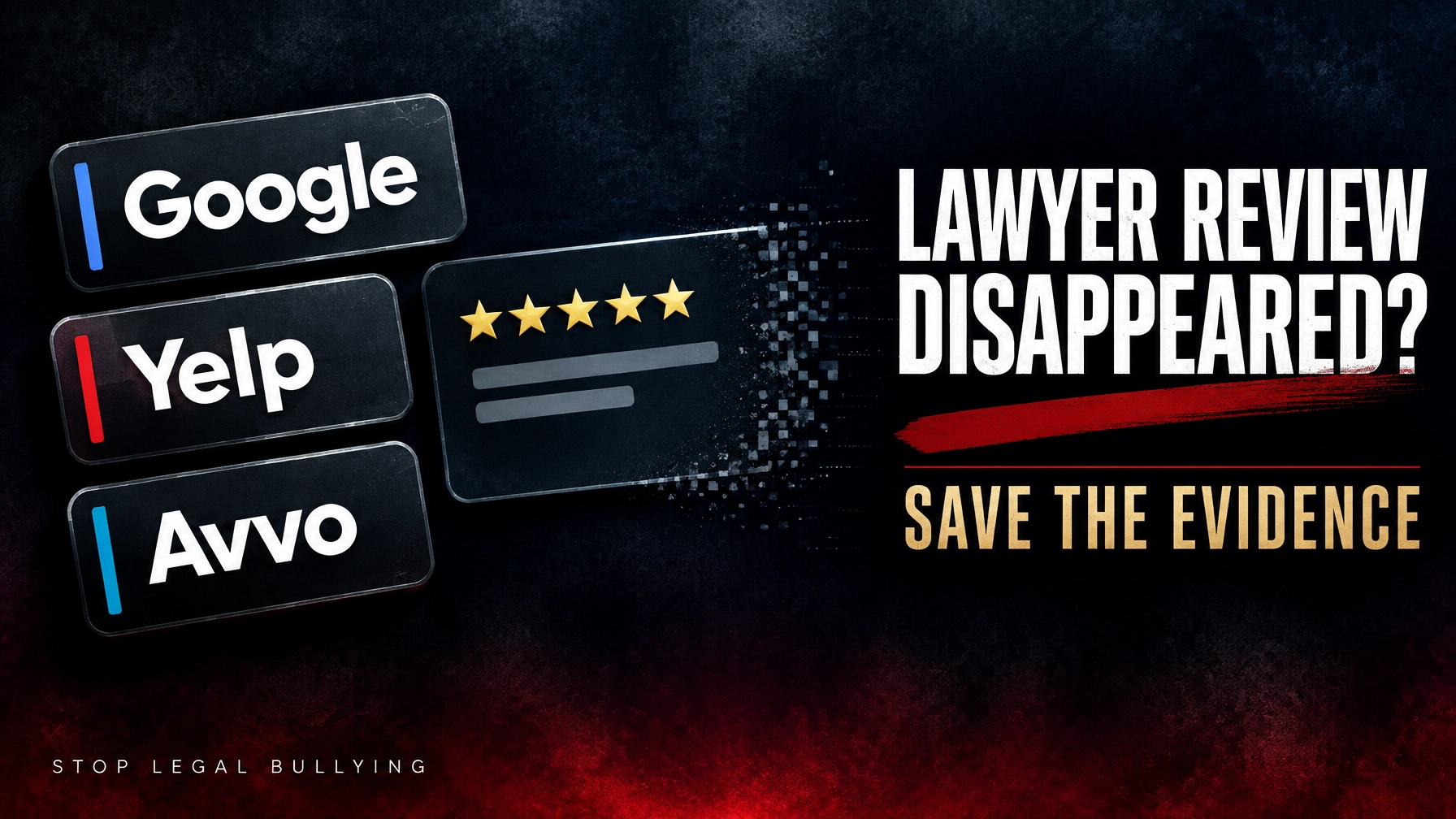
Editorial graphic with Google, Yelp and Avvo labels, a fading review card, and the words Lawyer review disappeared? Save the evidence.

September 23, 2026

Lawyer review disappeared? Save the original text, platform notices and a dated timeline before appealing. Learn what federal review protections cover.
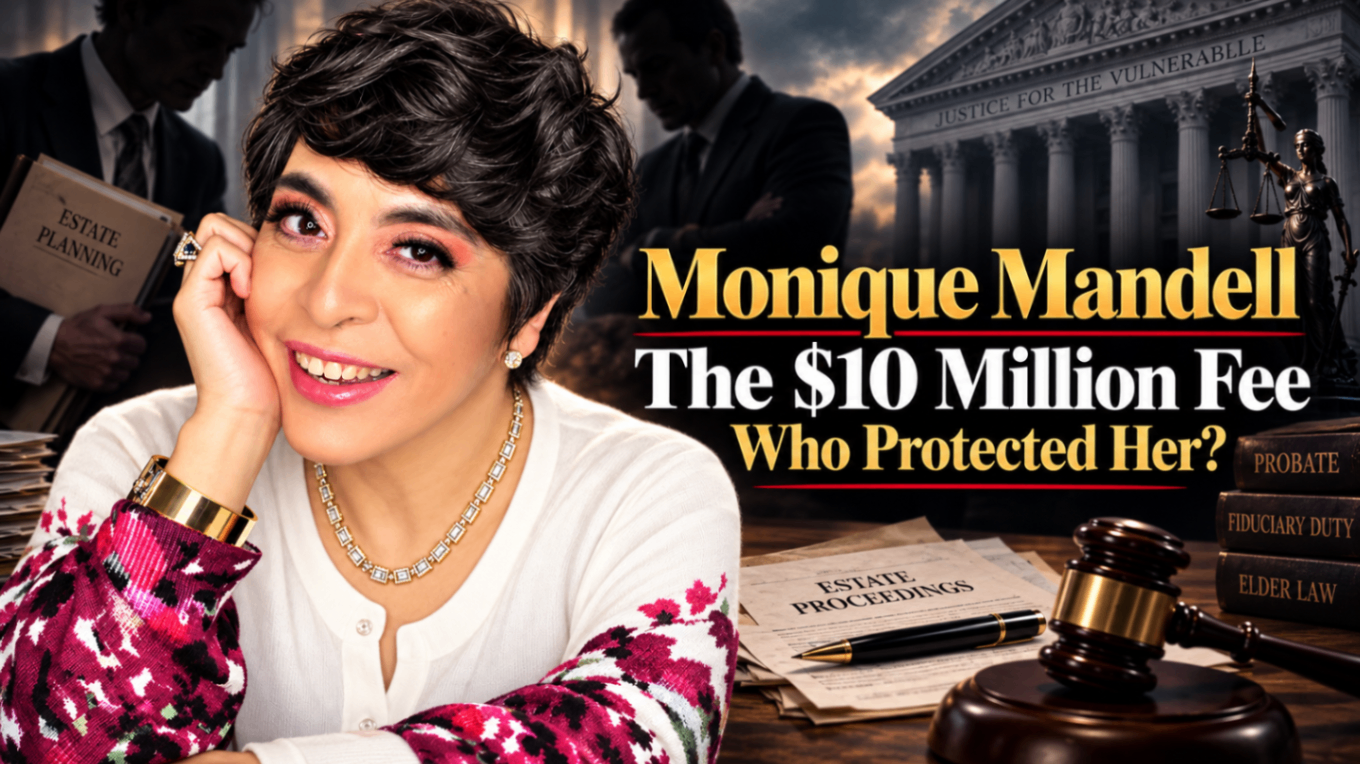
Article graphic reading “Monique Mandell: The $10 Million Fee — Who Protected Her?”

September 22, 2026

The Monique Mandell fee dispute raises questions about guardianship, contingency fees and informed consent. Court findings and remaining questions are distinguished.

September 21, 2026

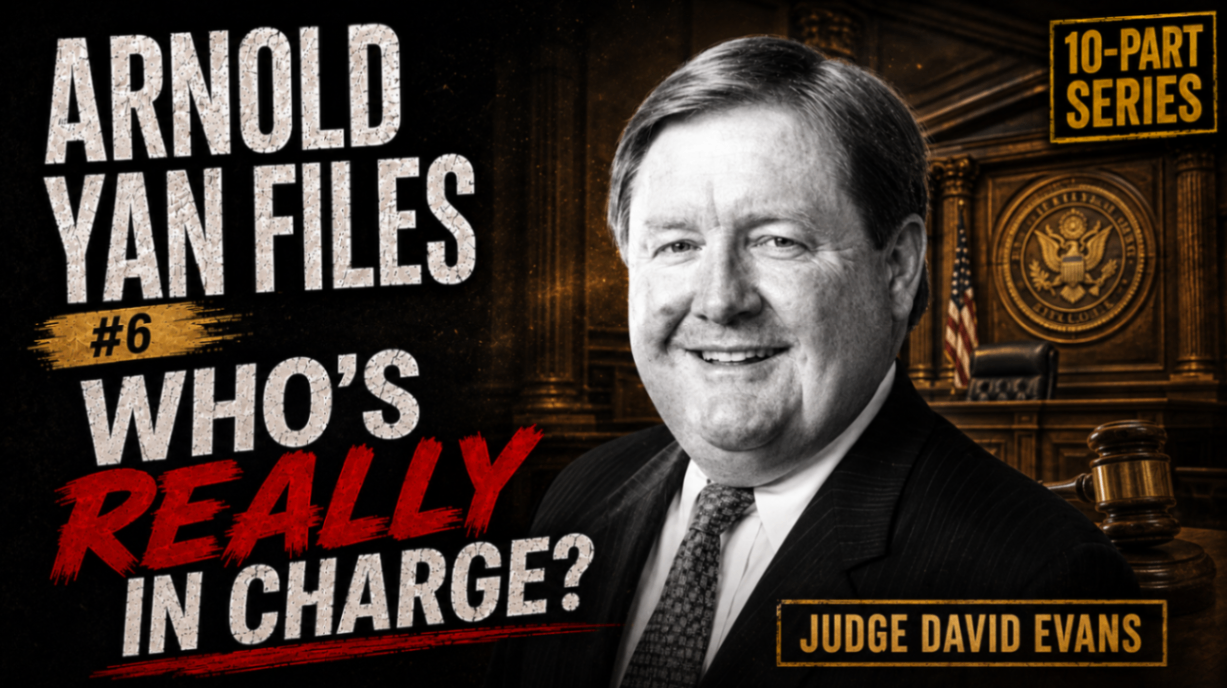
Part 6 of the Arnold Yan Files separates judicial assignment, court rulings and recordkeeping—and asks which documents establish each official’s role.

September 19, 2026

The Pennsylvania lawyer-review dispute, its allegations and settlement, and the questions it raises about online ratings and consumer protection.
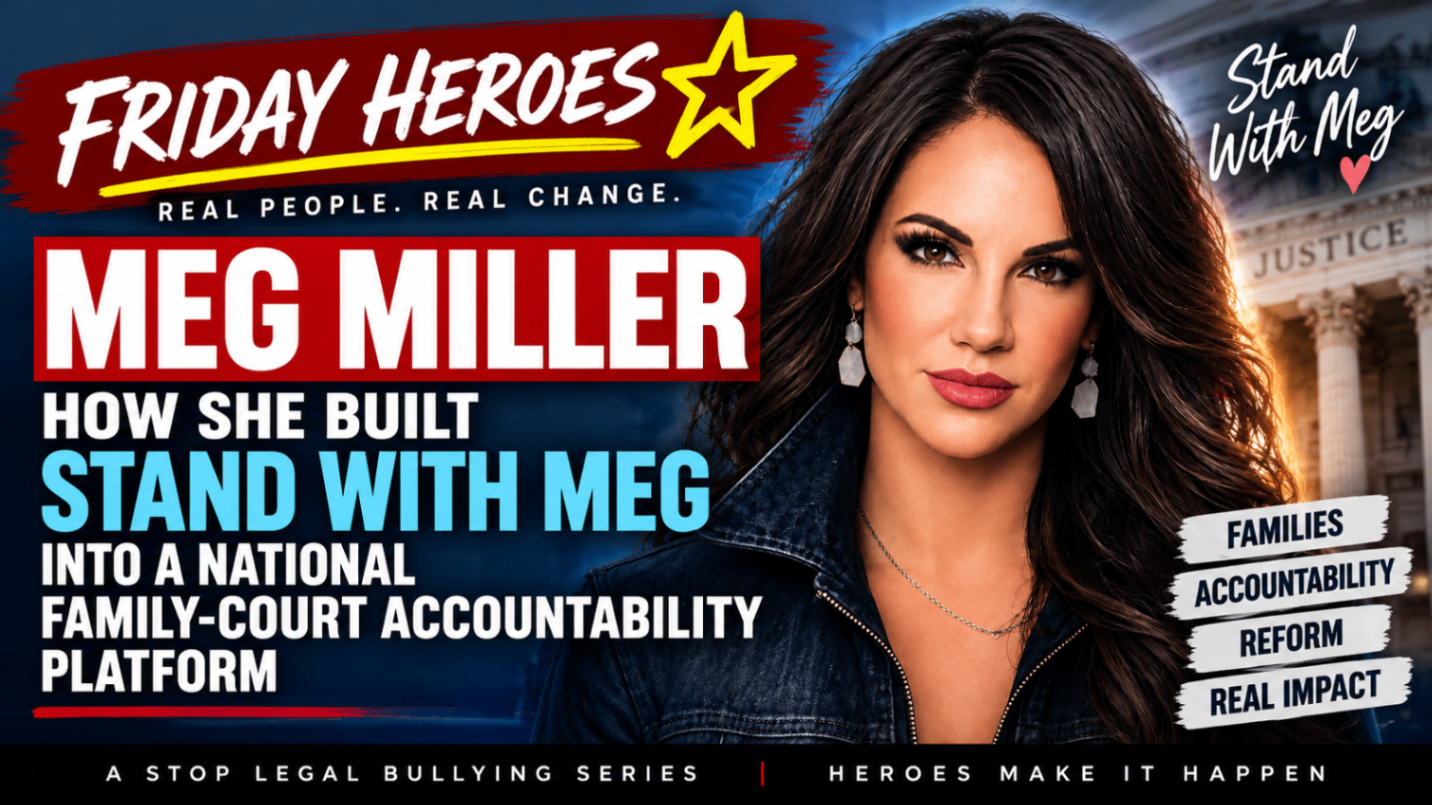
Editorial illustration of Meg Miller in the existing Friday Heroes thumbnail for her Stand With Meg profile.

September 18, 2026

How Meg Miller’s Stand With Meg platform collects family-court accounts, publishes advocacy resources and seeks reform—with limits on what those reports establish.